



Origins of Easter
Bishop Brian D. Reynolds
Let’s first acknowledge the time of the celebration of Jesus resurrection, in which Christians from all over the world come together to universally acknowledge such an event. This is a tradition that goes back to the Early Church, whereas we have in the writings of Polycarp (a disciple of John), stating that the practice of celebrating Jesus’ resurrection was an apostolic tradition, and that it was observed by John.
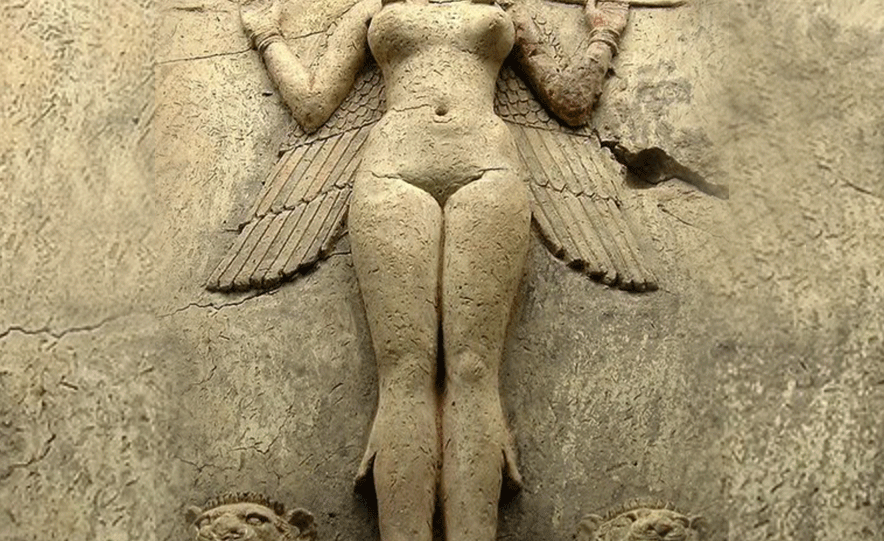
But what about Easter, where did the name of such a sacred event come to be stamped by this name? It appears that Easter is rooted back to a goddess in England, called Eostre, who was celebrated at beginning of spring. This goddess was known for the rising light of day and Spring. The earliest source known to reference this goddess comes from the writings of a British monk who lived in the early eighth century, called the Venerable Bede. He said the following:
“The month in which English Christians were celebrating the resurrection of Jesus had been called Eosturmonath in Old English, referring to a goddess named Eostre. And even though Christians had begun affirming the Christian meaning of the celebration, they continued to use the name of the goddess to designate the season."
Yet, before this writing, the practice of celebrating Easter with the Resurrection was already universally established. This is rooted back to a Roman Emperor named, Constantine. He was the first grand leader to endorse Christianity, and under his rule, he approved a universal gathering of Bishops called the Council of Nicea, in A.D. 325. It was there that they dealt with controversies, and made a decision that Easter is to be universally celebrated on the first Sunday after the first full moon of the vernal equinox. And this is where it stands today.
Convoluting this establishment of Christ’s resurrection being associated with a pagan goddess, the word Easter is found in the translation of the King James Bible. The word is only found once, in reference to King Herod incarcerating Peter, stating:
“And when he had apprehended him, he put him in prison, and delivered him to four quaternions of soldiers to keep him; intending after EASTER to bring him forth to the people.” (Acts 12:4)
The problem with the KJV is identified with the actual Greek word translated as “EASTER” being Pascha. This Greek word comes from the Hebrew “Pesach” of which both words mean PASSOVER. Every single translation that we have identifies Pascha as Passover, but for some reason the KJV writers corrupted the Word and substituted it as Easter.
But what about the Easter Bunnies and Eggs? In short, this began with a German tradition to appeal to children around the 1600’s, whereas if a child was good, a rabbit would bring him/her Easter eggs. When German immigrants settled in Pennsylvania beginning in the 18th century, they brought this tradition with them.
In conclusion: Easter has NOTHING to do with the Resurrection of Jesus Christ. We would do better in identifying such a sacred event with nothing but Christ Himself. As we grow in the knowledge of Christ, let us honor Him by setting aside those traditions that have been established to move us away from the pure, holy, Son of God, and the significance that the Resurrection has on our lives.
Shalom